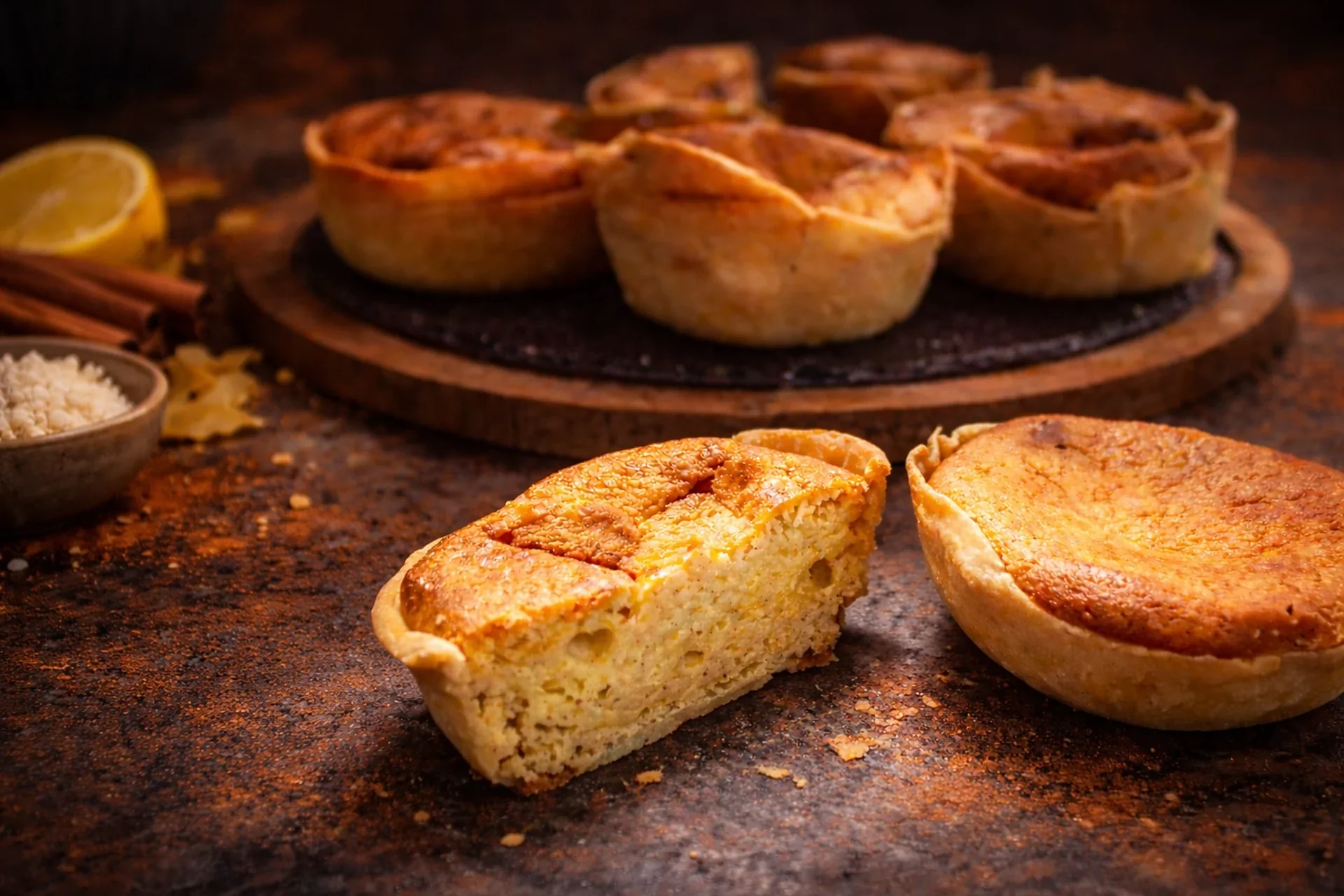
Sintra Cheese Tarts (Queijadas de Sintra)
Portuguese Cheese Tarts with thin pastry and creamy filling, inspired by a 1971 recipe and adapted for a modern home kitchen.
90 minutes
Prep time
30 minutes
Cook time
Ingredients
For the dough
- 200 g all-purpose flour
- about 80 g of water, but start with 65 g
- 10 g melted butter
- a pinch of salt
For the filling
- 250 g ricotta, very well drained
- 200 g cream cheese
- 150 g sugar
- 40 g flour
- 4 egg yolks
- 25 g almond flour
- 15 g desiccated coconut
- 2 g cinnamon
- zest of 1 lemon
Equipment
- Food processor
- Plastic wrap
- Pasta machine or rolling pin
- 10 cm round cutter
- Muffin tin
- Hand mixer or stand mixer
- Mixing bowl
- Spatula
- Cooling rack
Instructions
It's time to take another old recipe and adapt it to our modern needs and ways of cooking.
Today, I've chosen a Portuguese dish from the 1971 edition of Receitas de Cozinha e Doçaria Portuguesa.
As always, I tried to modernize the recipe without taking away its authenticity. Instead of rewriting it beyond recognition, I focused on making it easier to prepare in a modern home kitchen, while keeping the spirit of the original intact.
So let's take a look at what I changed, why I changed it, and how this version of traditional Portuguese cheese tarts can still feel deeply rooted in the original while being much more approachable for today's baker.
How to Make These Modern Queijadas de Sintra
- Add the flour, melted butter, and salt to a food processor.
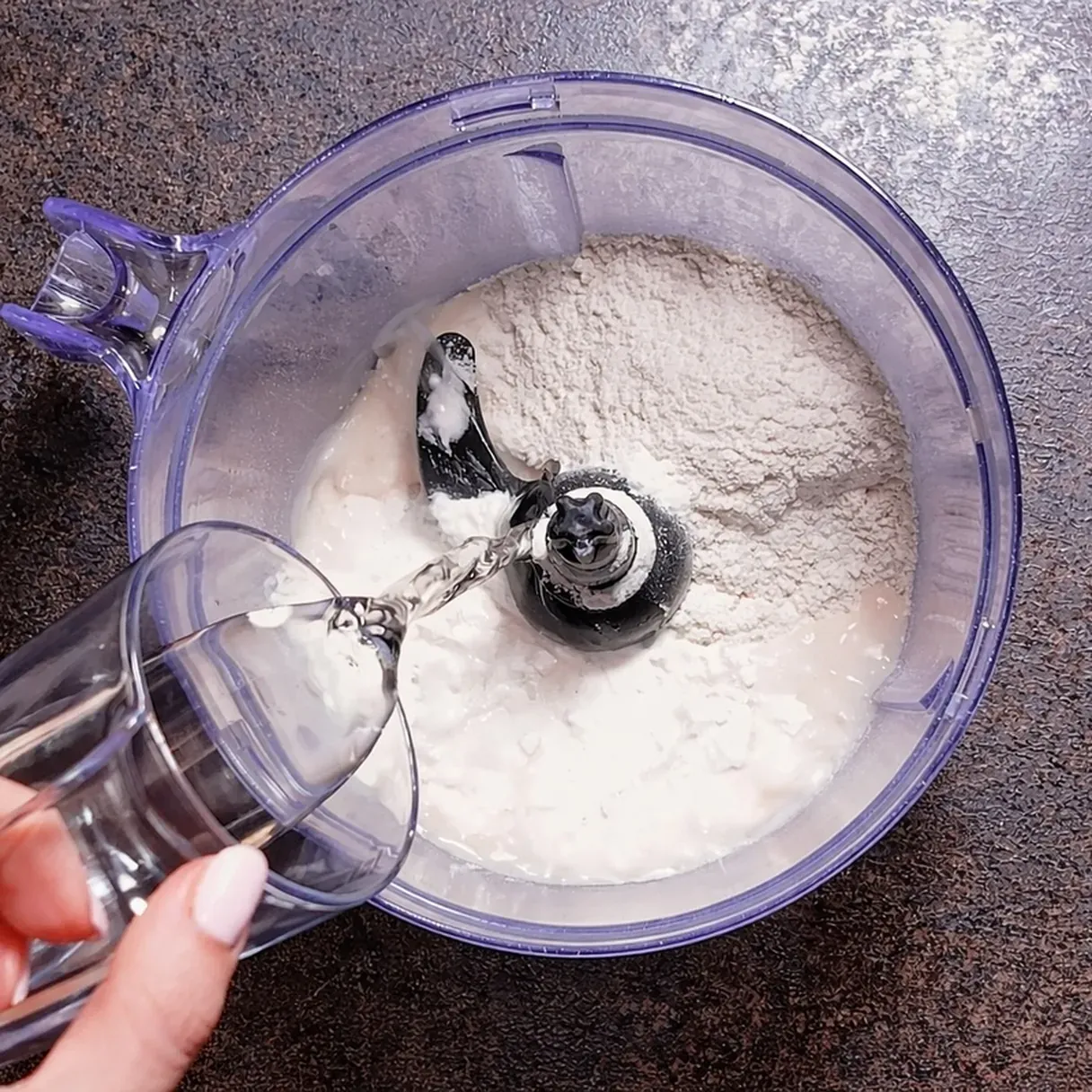
- Pulse a few times, then slowly pour in the water in a thin stream until the mixture comes together into a dough.
- Start with 65 g of water and only add more if needed. Once the dough forms, wrap it in plastic wrap and refrigerate it for 1 hour.
- After 1 hour, take the dough out of the fridge and divide it into 2 pieces.
- Pass each piece through a pasta machine, going up to setting 6.
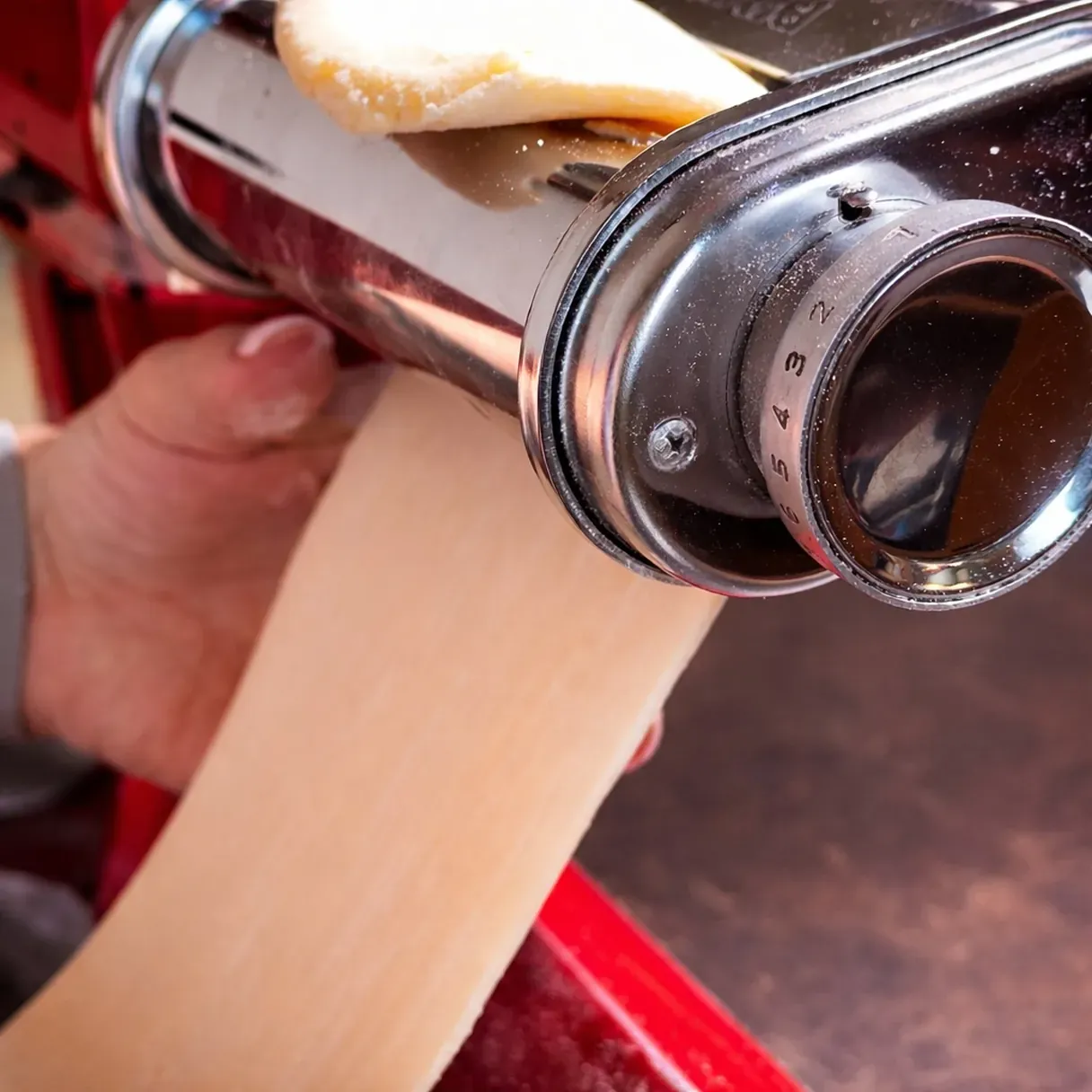
- Of course, you can also use a rolling pin, but you should roll the dough until it is less than 1 mm thick.
- Cut 10 cm discs from the prepared dough.
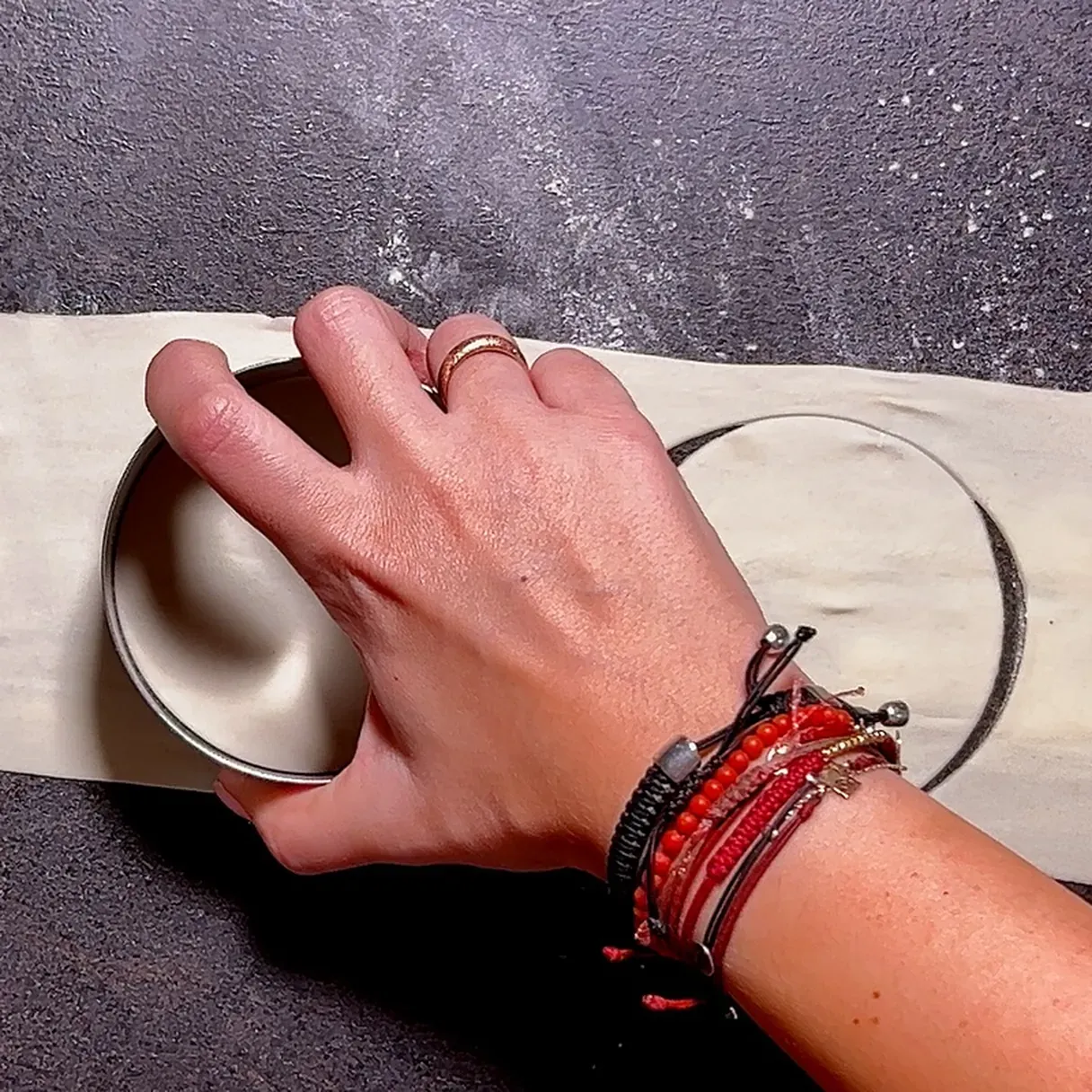
- Place them into a muffin tin lightly greased with oil.
- To make the filling, mix the drained ricotta, cream cheese, and sugar with a mixer until smooth. Then add the egg yolks, flour, almond flour, desiccated coconut, cinnamon, and lemon zest.
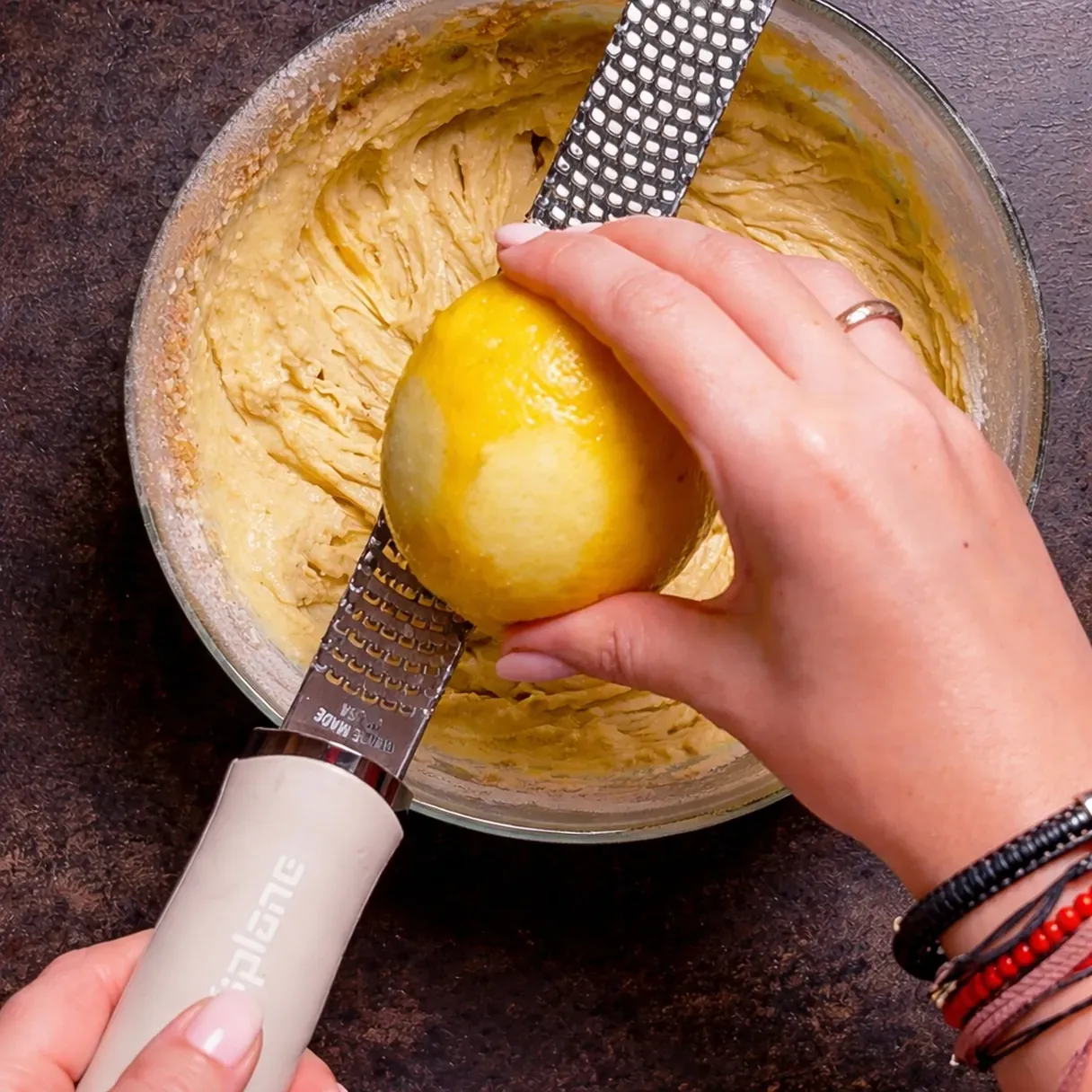
- Mix just until combined.
- Pour the filling into the prepared pastry shells, making sure not to fill them more than three-quarters of the way up.
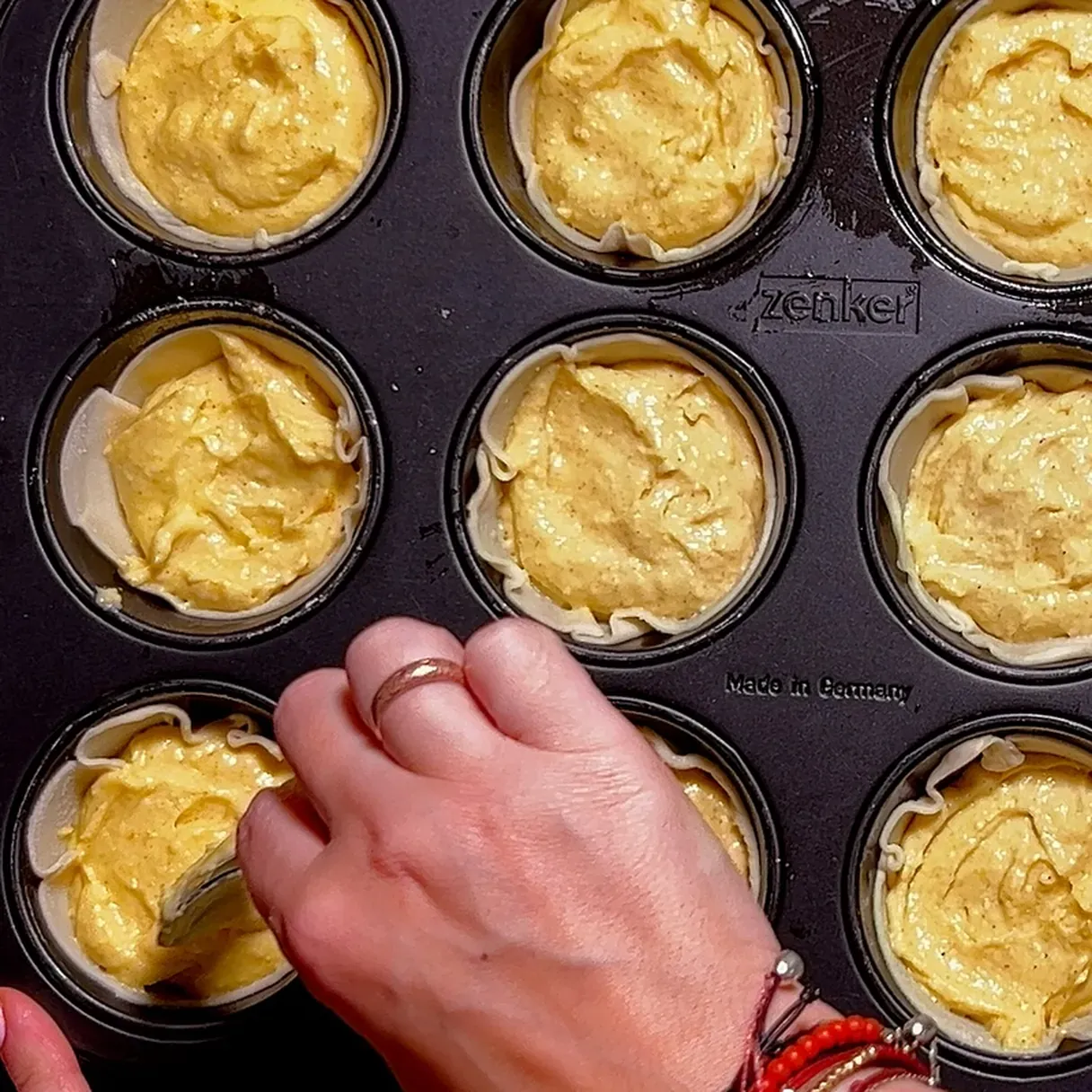
- Bake at 200°C for 30 minutes.
- Let them rest for 10 minutes, then remove them from the tin.
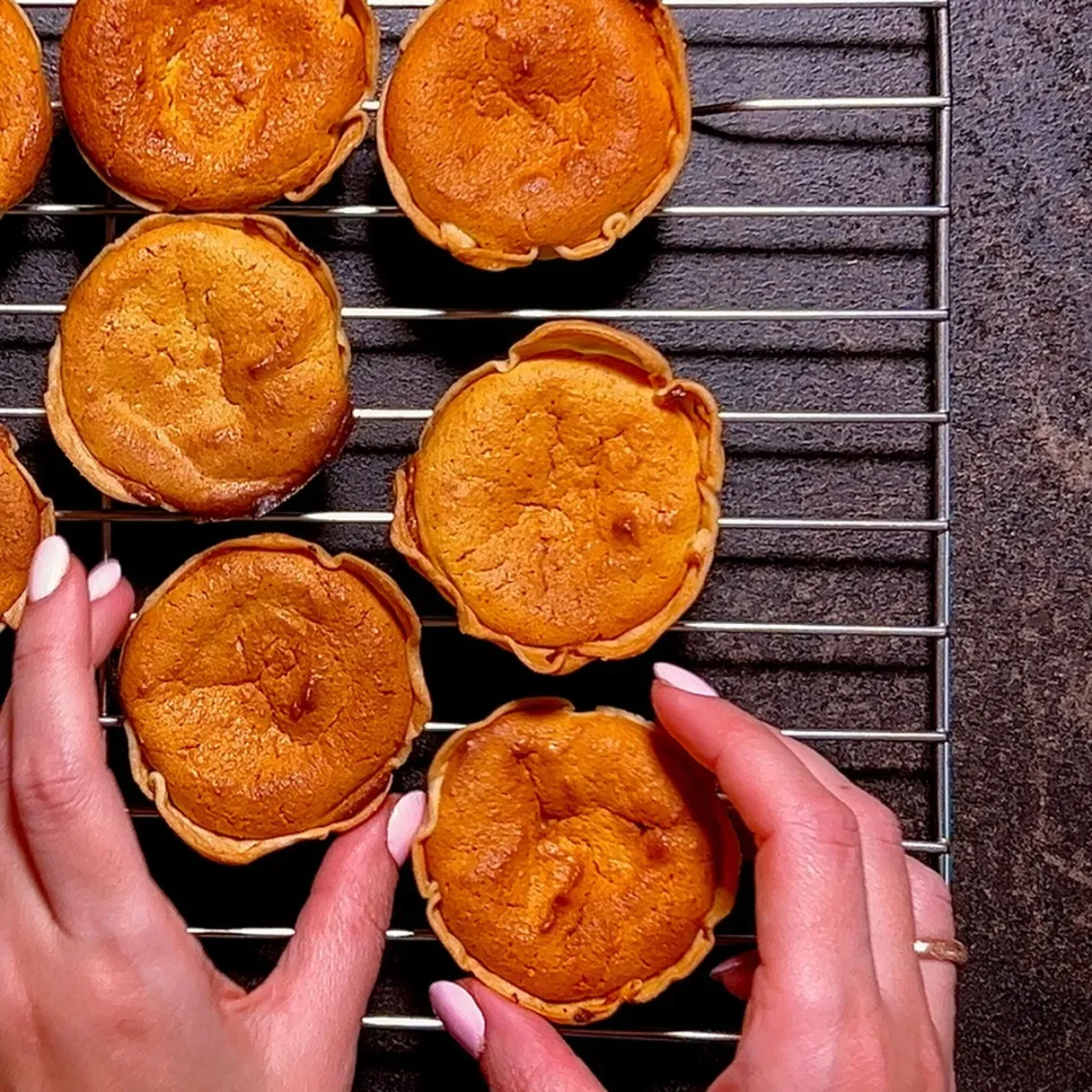
- The final texture stabilizes fully after 2–3 hours, and the flavor becomes even better the next day.
- This recipe makes about 16 pieces of homemade Queijadas de Sintra.
The Original Recipe
I'll leave the original recipe here as well, so you can try it exactly as it was before testing our version.
“Queijadinhas de Sintra
Dough (Massa):
- 1 kg flour
- water (as needed)
Filling (Espécie):
- 3 kg cheese
- 250 g wheat flour
- 1.750 kg fine sugar
- 120 g almonds
- 100 g grated coconut
- 10 g cinnamon
- 24 egg yolks
Instructions:
- Knead the flour with a little water so that the dough becomes very thin, but still consistent.
- Roll the dough out with a rolling pin until thin and cut it into squares or discs, which are placed on pieces of paper greased with butter.
- Add the filling with a spoon, prepared as follows:
- Use unsalted cheese, which is left to drain. It is grated and passed through a hair sieve (a very fine sieve).
- Add the sifted wheat flour, sifted fine sugar, almonds crushed well and passed through a sieve, coconut or Maranhão chestnuts, ground cinnamon, and egg yolks.
- Mix everything very well so that the filling becomes homogeneous, but without beating it.
- After they are baked in metal trays and fully cooked, the queijadas are joined together two by two."
What I Modernized and Why
My version stays quite close to the original, but a few changes make it much more realistic for a modern kitchen.
The first major adjustment is scale. The 1971 recipe uses industrial-style quantities: 1 kilogram of flour, 3 kilograms of cheese, 24 egg yolks, and 1.750 kilograms of sugar.
That may make sense in a professional or festive context, but for most home cooks today it is simply too much. Reducing the recipe to a manageable batch of around 16 pastries makes it more practical without changing the character of the dessert.
The second important change is the cheese. The original calls for unsalted fresh cheese that is drained, grated, and passed through a very fine sieve.
In a modern kitchen, well-drained ricotta is one of the best substitutes because it gives that slightly grainy, dairy-rich quality that feels closer to old-style fresh cheese than a fully smooth cream filling would.
I also added cream cheese, not to replace the identity of the dessert, but to create a more stable and creamy structure. It helps the filling bake evenly and gives reliable results, especially when using modern muffin tins instead of paper-lined metal trays.
I also reduced the sugar significantly. Old recipes often feel surprisingly sweet to modern palates, partly because sweetness used to be associated with luxury and celebration. Using 150 g of sugar here keeps the filling properly sweet. At the same time, the dairy flavor, cinnamon, coconut, and lemon zest can come through much more clearly. That balance makes the final result feel more elegant and less heavy.
Another subtle modernization is the dough method. Rather than kneading by hand and rolling everything only with a rolling pin, I used a food processor and pasta machine.
This does not betray the recipe; it simply gives us a faster and more consistent way to achieve the very thin pastry shell these tarts need. The thin shell is essential because the contrast between crisp pastry and tender filling is part of what makes Portuguese sweet cheese pastries so appealing.
Nutrition and Balance in the Modern Version
From a nutritional point of view, this version is still a dessert and should absolutely be treated as one, but it is a more balanced dessert than the original.
The reduced sugar, smaller yield, and measured use of cheese and egg yolks create a pastry that still feels rich and celebratory without becoming overwhelming.
The ricotta also adds protein, while almond flour contributes a little extra fat and flavor depth. Coconut and lemon zest are small additions, but they help build complexity so the recipe does not rely on sugar alone for impact.
Most importantly, these changes were not made to "improve" tradition in a superior sense. They were made to preserve the pleasure of the original in a form that works better for the way many of us cook now.
That, to me, is what a true modern adaptation should do.
A Little History Behind the Original Recipe
Queijadas de Sintra are considered one of the oldest sweets in Sintra's gastronomy, and official tourism material from Sintra traces their origin back to the 13th century, during the reign of King Sancho II.
The same source notes that, until the mid-18th century, these pastries were homemade and even used to pay certain dues or rents, which is one of the most fascinating details attached to their story.
The pastry is deeply tied to Sintra itself, a town that remains one of Portugal's best-known cultural destinations. Portugal's official tourism site still highlights tasting queijadas as one of the essential local experiences in Sintra, underscoring how closely this pastry is linked to place and identity.
In broader Portuguese food culture, queijada refers to a family of sweet cheese-based pastries made in different regions. Still, the Sintra version is among the most famous. Typical ingredients include fresh cheese or requeijão, sugar, eggs, flour, and cinnamon, enclosed in a thin pastry shell.
One especially interesting detail is that Queijadas de Sintra were later associated with specialist pastry houses in the town, including names such as Sapa, Gregório, Piriquita, Casa do Preto, and Dona Estefânia. That suggests a gradual shift from domestic production to a more commercial and regional identity, which often happens when a local food becomes iconic.
FAQ
If you want to make these easy Portuguese dessert tarts successfully on the first try, these are the questions most worth answering before you start.
Q: Can I roll the dough by hand if I don't have a pasta machine?
A: Yes. A pasta machine simply makes the process faster and more even, but a rolling pin works perfectly well. The key is to roll the dough very thin, ideally under 1 mm, so the shell stays delicate and crisp rather than thick and bready.
Q: Can I replace ricotta with another cheese?
A: Yes, but choose carefully. The closest idea is a mild, unsalted, well-drained fresh cheese. Ricotta works very well because it is accessible and easy to handle. If you use something wetter, the filling may become too loose.
Q: Why do these taste better the next day?
A: Because the texture settles and the flavors become more integrated. Right after baking, the filling is softer and slightly less defined. After a few hours, and especially the next day, the pastry and filling feel more cohesive.
Q: Do I really need both ricotta and cream cheese?
A: For this adaptation, yes, I recommend it. Ricotta gives the filling a more traditional character, while cream cheese adds smoothness and stability. Together, they create a texture that is both authentic-feeling and dependable in a modern home oven.
Q: How should I store them?
A: Store them in an airtight container in the fridge once fully cooled. Before serving, you can let them sit at room temperature for a short while so the filling softens slightly and the flavors open up.
Conclusion
This is exactly the kind of recipe I love bringing back to life: something rooted in history, strongly connected to a place, and still completely enjoyable in a modern kitchen.
These queijadinhas keep the soul of the original recipe, but in a format that feels more practical, more balanced, and easier to recreate today. You still get the thin pastry, the rich cheese filling, the warmth of cinnamon, and that unmistakably old-world feel, just with a method that fits the way we cook now.
The full video for this recipe is available below and on our YouTube channel, so don't forget to like and subscribe for more.
Nutrition Facts / Serving
- Calories: 195 kcal
- Total Fat: 9.5 g
- Cholesterol: 69 mg
- Sodium: 66 mg
- Potassium: 72 mg
- Total Carbohydrate: 22.7 g
- Sugars: 10.1 g
- Protein: 5.2 g